
wait—"hacking" isn't always a bad thing?
the creatives, the nurses, the people who’ve spent years studying humans. they assume hackathons aren’t for them. they’re wrong.


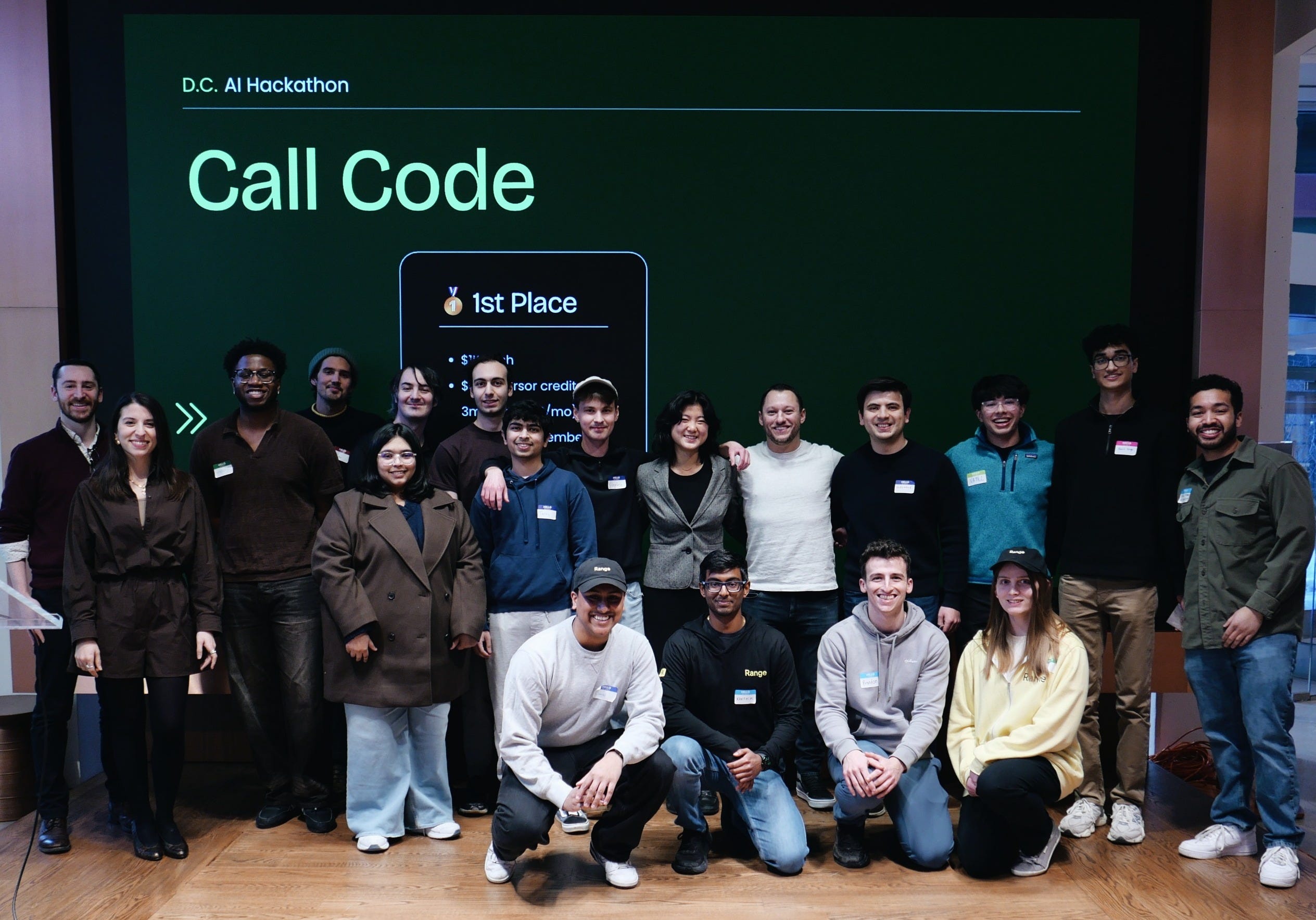
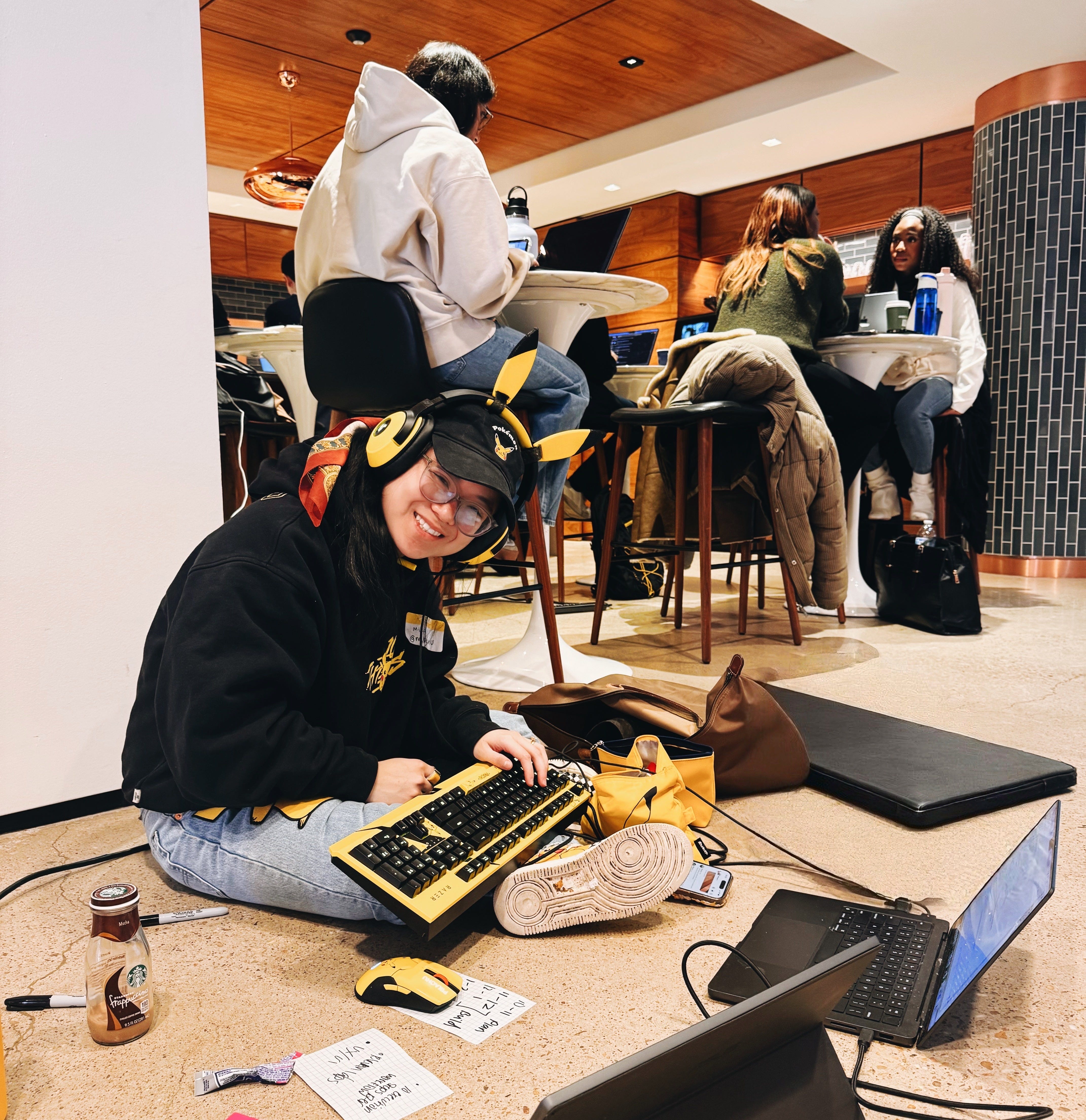
it’s a thursday in arlington, virginia, and over sixty people are hunched over laptops, building ai projects they’ll ship before 3pm.
it’s called a hackathon—a sprint where strangers team up to build something from scratch in a day or a weekend. no hacking in the criminal sense. think less hoodies-in-dark-rooms, more whiteboards-and-pizza.
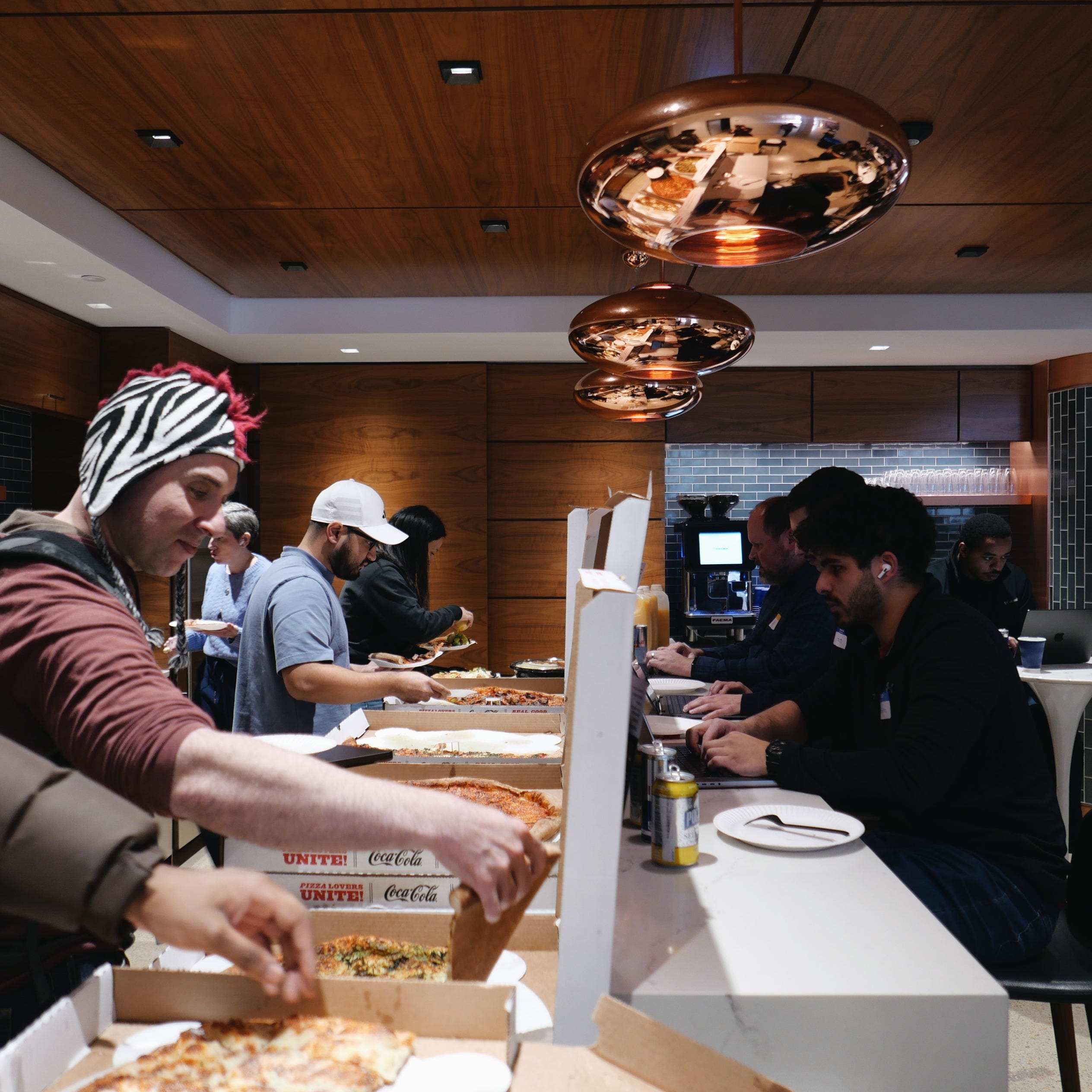
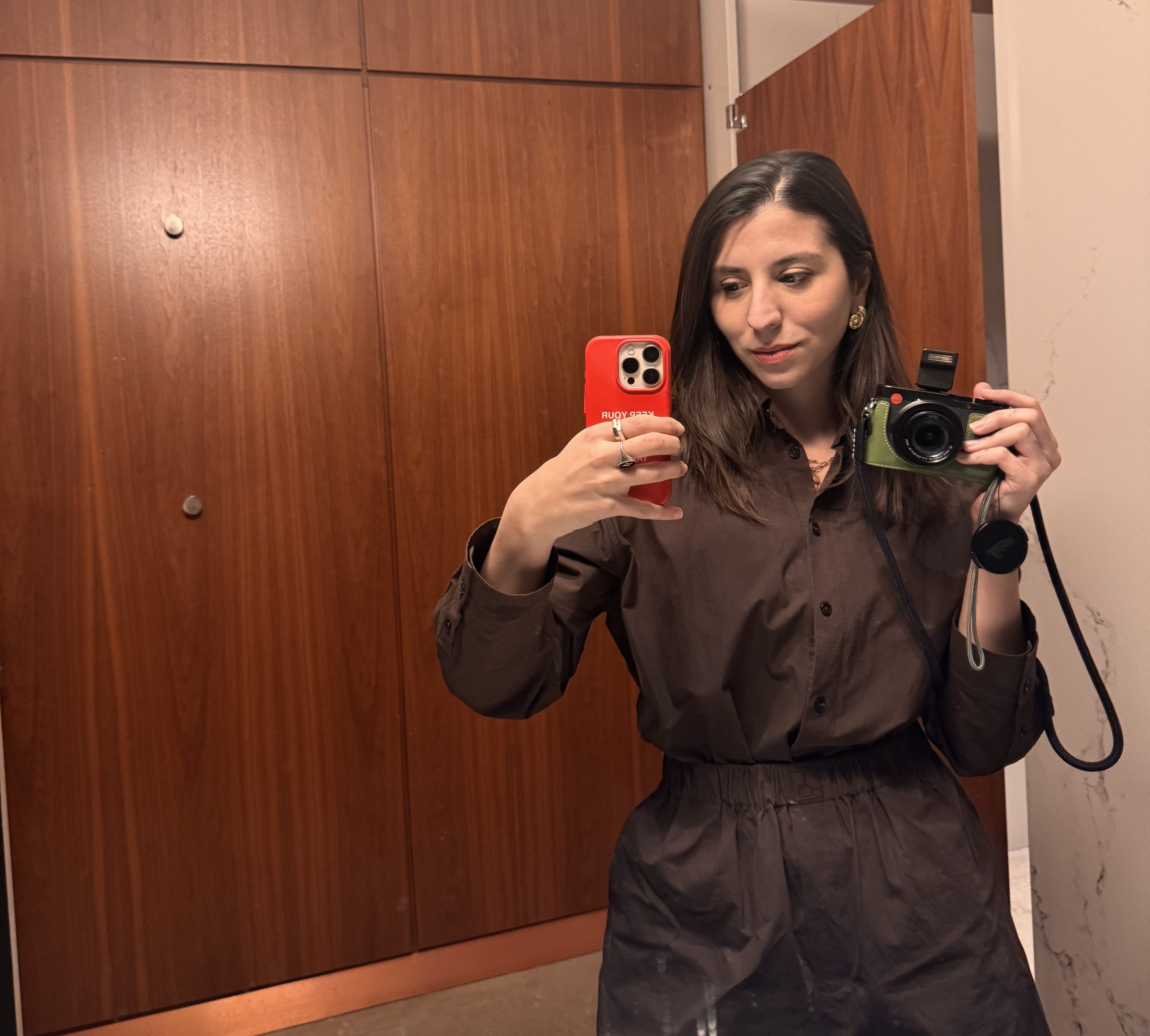
there i am, watching from the back of the room with my little camera in my hand, thinking about a question that won’t leave me alone.
what happens to these projects on friday?
some back story: my love for hackathons
three years ago, my college best friend and i started going to ethereum hackathons all around the world. we built a series where we interviewed founders, venture capitals, builders in the crypto space (he has become THE expert in crypto in turkey and being invited to bloomberg, cnbc-e et al and i am SO proud of him <3).
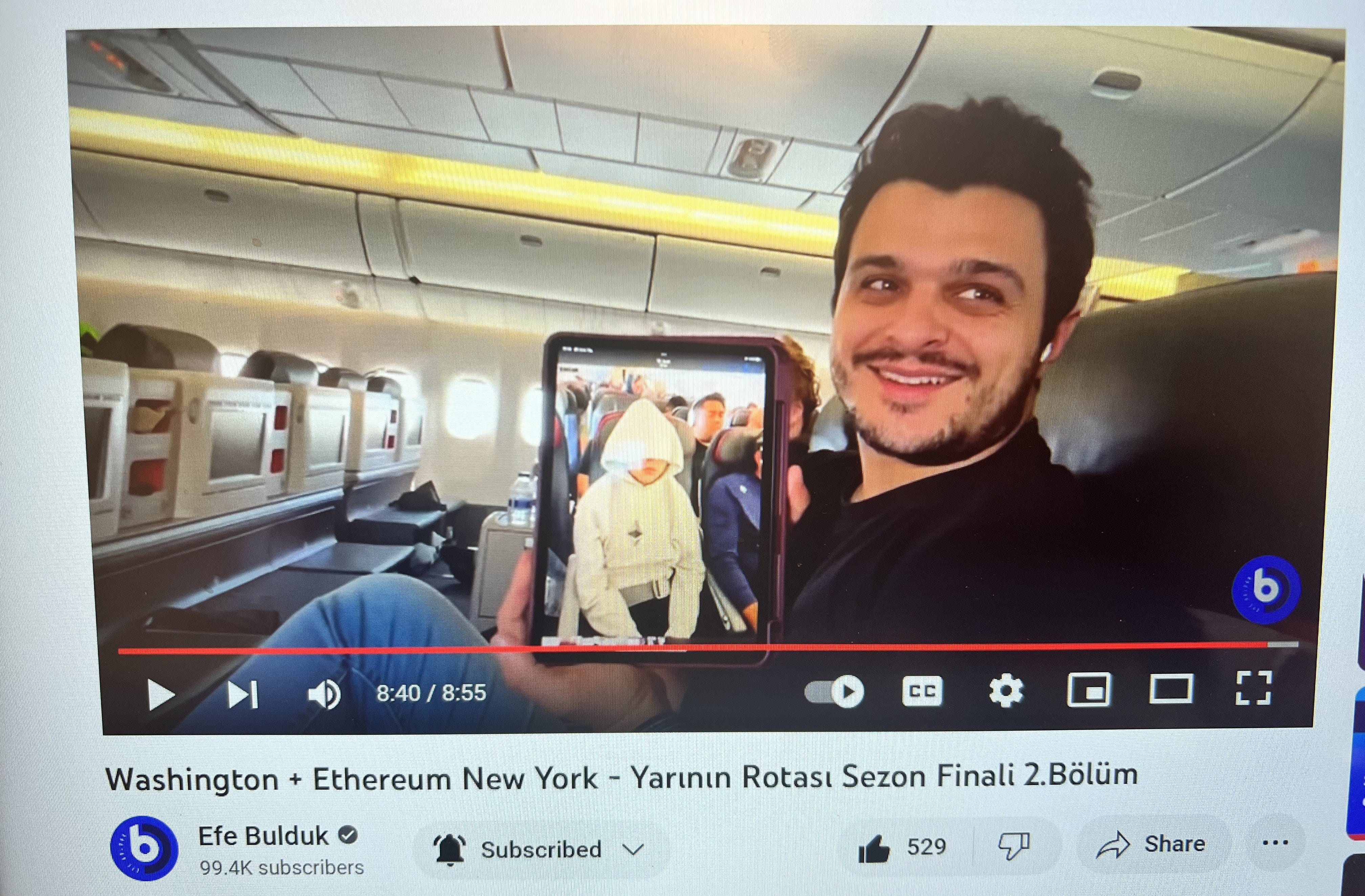
We documented what we learned, and watched innovation happen at a speed that made us feel dizzy.
there’s something that happens at a hackathon that doesn’t happen anywhere else. strangers become teammates, ideas become prototypes, and the gap between “what if” and “here it is” shrinks to a couple of hours.
and, i fell in love with that energy.
this thursday in arlington
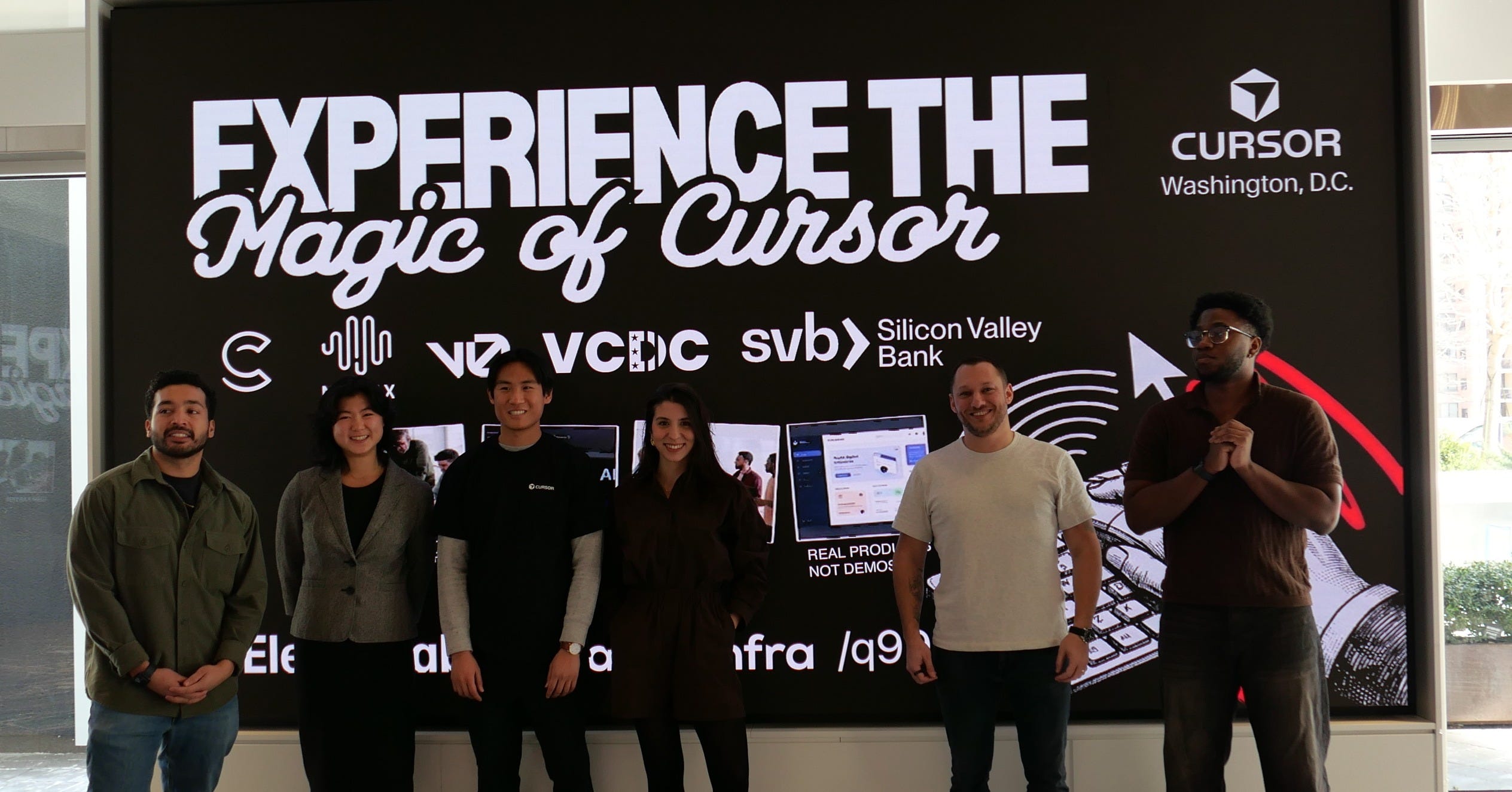
the hackathon i’m referring to today is the dc ai hackathon, co-hosted by my beautiful community, the ai collective.
abu jalloh, lucy chen, bill collier, martin sajon, sam koralnik, and brian mcabee did the heavy lifting, while cursor, minimax, elevenlabs, /q99, silicon valley bank, vc in dc, vercel, deep infra, and ai collective put up the resources.(it does take a village, and the dc ai community appreciates you all)
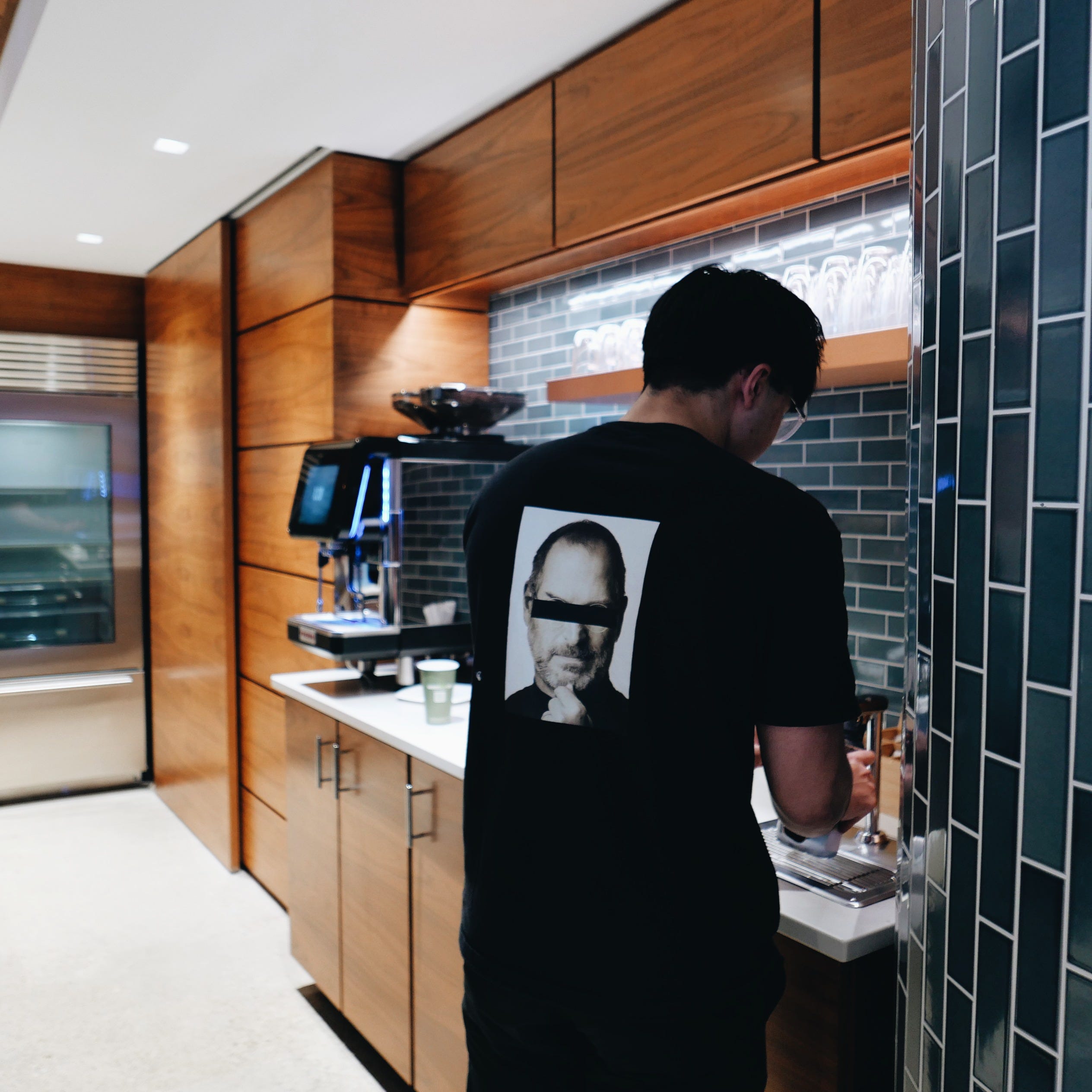
the room was full of developers and designers, students and founders, first-timers sitting next to people who’ve shipped products with hundreds of users.
the energy in the room was just perfect.
the projects
the projects were good. my favorite was a tool that allowed nurses to pass on patient information seamlessly between shifts. another interesting one was a tool that allows citizens to analyze media bias patterns for politicians and news anchors.
others that got the most attention were:
a tool to find gifts for your friends and order them automatically.
an voice-to-text assistant that helps you code without touching the keyboard
a tool that analyzes crypto coins for you to decide on their trustworthiness.
useful? sure. shippable? definitely.
but i kept thinking about that nurse handoff tool. in 6 hours, a team built something that could genuinely help patients. and then what? demo day ends, prizes get awarded, and everyone goes home.
the missing piece
hackathons have been traditionally designed for engineers, for rapid iteration—spaces where builders can turn ideas into working prototypes at speed. but the format also has a natural endpoint. 3pm hits, demos happen, winners celebrate. and then there’s silence.
for the first time in the history of software development, now the domain expert can should be in the room.
not as a consultant.
as the participant.
as the builder.
because ai revealed something that real software developers always knew: building software is not coding. as my mentor sze wong puts it: it’s knowing what to build and why. “the real work was always invisible: understanding problems, structuring systems, managing complexity, making tradeoffs, and building something that doesn’t collapse under its own weight six months later.”
hackathons now can bring domain experts into the room, while the tradeoffs are still being made. the nurse handoff tool needs nurses as collaborators who can say “this won’t survive a shift change” before the code ships.
the invitation
here’s what i know after two years of hackathons and a random thursday in arlington:
the most interesting things will be built when hackathon projects meet the people who understand the problems they’re solving.
but that won’t happen until organizers, sponsors, communities answer one question:
how do we get domain experts building alongside engineers?
if we figure that out, these prototypes might actually reach end users.
and to the nurses, writers, creatives reading this:
if you’ve been waiting to feel ready, stop.
if you thought this wasn’t your world, reconsider.
you’re the bridge between prototype and product. you’re exactly who we need.
come “hack” with us at the ai collective & friends. we’re figuring this out together.
<3
 | A guest post by
|